By Marc Rotkin
November 18, 2026
When planning an asphalt paving project, it's crucial to engage in detailed discussions with your local paving company. This ensures the project is well-executed to meet your needs and expectations. A comprehensive dialogue can help prevent future issues and ensure the efficiency and longevity of the paved surface. By actively participating in these discussions, you can secure a better understanding of the project's intricacies. Moreover, this engagement fosters a collaborative relationship that can lead to successful project completion.
Understanding Your Project Needs
Defining the scope of the project is the first step towards a successful asphalt paving venture. You should clearly articulate your vision for the project to the paving company, considering the extent of the area to be paved. Identifying specific needs such as the type of traffic the surface will bear helps provide a context for the project. Quantifying these aspects helps the contractor set realistic goals and timelines. It also assists in shaping a feasible plan that aligns with your overall vision.
It's essential to discuss the purpose and usage of the paved area, as this affects the design and materials selected. Different surfaces have varying functional requirements, whether it's for residential, commercial, or industrial use. For instance, a driveway supports vehicle traffic, whereas walkways need to accommodate pedestrian use. Your local asphalt paving company can recommend suitable solutions tailored to unique needs. This ensures the surface can efficiently serve its intended function with optimal performance.
Climate and environmental considerations play a significant role in planning an asphalt paving project. It's important to assess how weather conditions in your area can impact the longevity of the pavement. Materials and designs often need to be adjusted to resist regional climate patterns. According to This Old House, a well-drained asphalt drive laid over properly compacted gravel will last 25 to 30 years. This longevity underscores the importance of making climate-informed decisions during the planning phase.
Evaluating Material Options
When evaluating material options, it's beneficial to compare various asphalt varieties. There are different formulations available, each designed to meet specific performance criteria. Discussing these varieties helps identify the most suitable option for your project. You'll want to consider aspects such as load-bearing capacity and aesthetic appeal. A thorough understanding of the choices available ensures an informed decision-making process.
Durability is a key consideration when determining the best material for your project. The chosen material must withstand environmental stresses and usage demands. Engaging with your paving contractor about material durability can guide your selection process. Aim to choose a material that offers both longevity and cost efficiency. This discussion helps in balancing long-term benefits with immediate budgetary concerns, setting the stage for a successful project outcome.
Eco-friendly alternatives are becoming increasingly popular in asphalt paving projects. They often incorporate recycled materials, reducing the environmental impact of the project. Discussing these options highlights the potential for sustainable practices within your paving project. This can result in reduced resource consumption without compromising on quality. Understanding the potential ecological benefits can guide a decision that aligns with broader sustainability goals.
Exploring Design and Layout
Proper drainage planning is a critical element in any paving design. A well-thought-out drainage system prevents water accumulation that can lead to surface degradation. Discussing drainage options with your contractor ensures that the paved area remains functional and durable. Proper slope and channel design can mitigate water-related damage. Effective drainage extends the longevity of the pavement by preventing wear from standing water.
Ensuring ADA compliance in design is crucial for accessibility. The Americans with Disabilities Act requires certain accommodations in public use areas. Discussing compliance with your paving company ensures that all design elements meet regulatory standards. Ramps, walkways, and parking lot designs should facilitate access for all individuals, regardless of ability. Compliance not only adheres to legal responsibilities but also promotes inclusivity.
Space efficiency is another vital factor when exploring design and layout. Maximizing usable area without sacrificing functionality is key to an effective design. Strategically planning layout elements such as parking spaces, walkways, and entrances enhances the practicality of the space. Collaboration with the paving company can reveal potential adjustments to optimize space utilization. Well-designed layouts balance aesthetics with practical considerations, elevating both form and function.
Reviewing Installation Process
Understanding the project timeline and milestones is vital for managing expectations. A clearly defined timeline helps gauge project progress and plan accordingly. Discussing this with your paving company maintains transparency and enables better project coordination. Timely updates on milestones aid in tracking project developments. This step ensures all parties remain informed and committed to meeting established deadlines.
Base preparation is a foundational step in the asphalt installation process. Ensuring a solid base supports the longevity and performance of the paved surface. Discussing base preparation with your contractor ensures an understanding of necessary groundwork. Parameters such as base material type and compaction level are pivotal. Properly compacted gravel beneath the asphalt prevents future issues such as cracking and settlement.
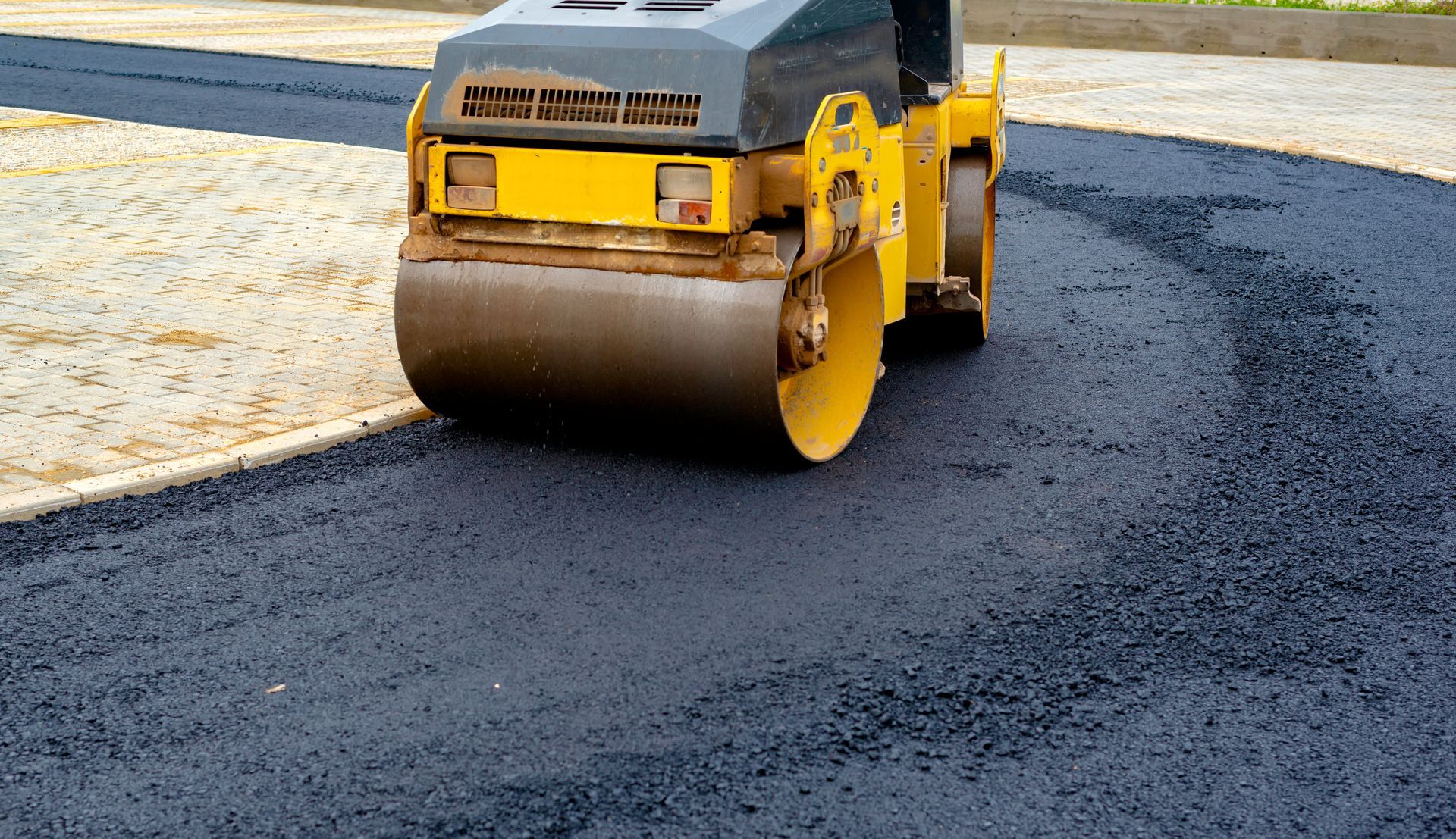
Compaction techniques are crucial to achieving a durable and stable paved surface. Proper compaction ensures that the asphalt layer adheres effectively to the base. Discussing the specifics of compaction methods with your company highlights its importance in the process. Different structures require varying degrees of compaction, tailored to the project scope. Addressing this step ensures the structural integrity of your paving project.
Understanding Maintenance and Repairs
Regular maintenance schedules maintain the surface quality and extend its lifespan. Setting a maintenance routine is crucial to preserving your investment in asphalt paving. Engage with your company to establish a plan that includes periodic inspections and necessary upkeep. Regular attention prevents minor issues from escalating into major problems. This proactive approach to maintenance secures the long-term value of the paved surface.
Common asphalt problems include cracking, potholes, and surface deterioration. Recognizing these issues early allows for timely repairs and maintenance. Discussing potential problems and their solutions with your contractor prepares you for any eventuality. Developing a clear intervention strategy minimizes disruptions and repair costs. Understanding these factors helps maintain a pristine and functional paved environment.
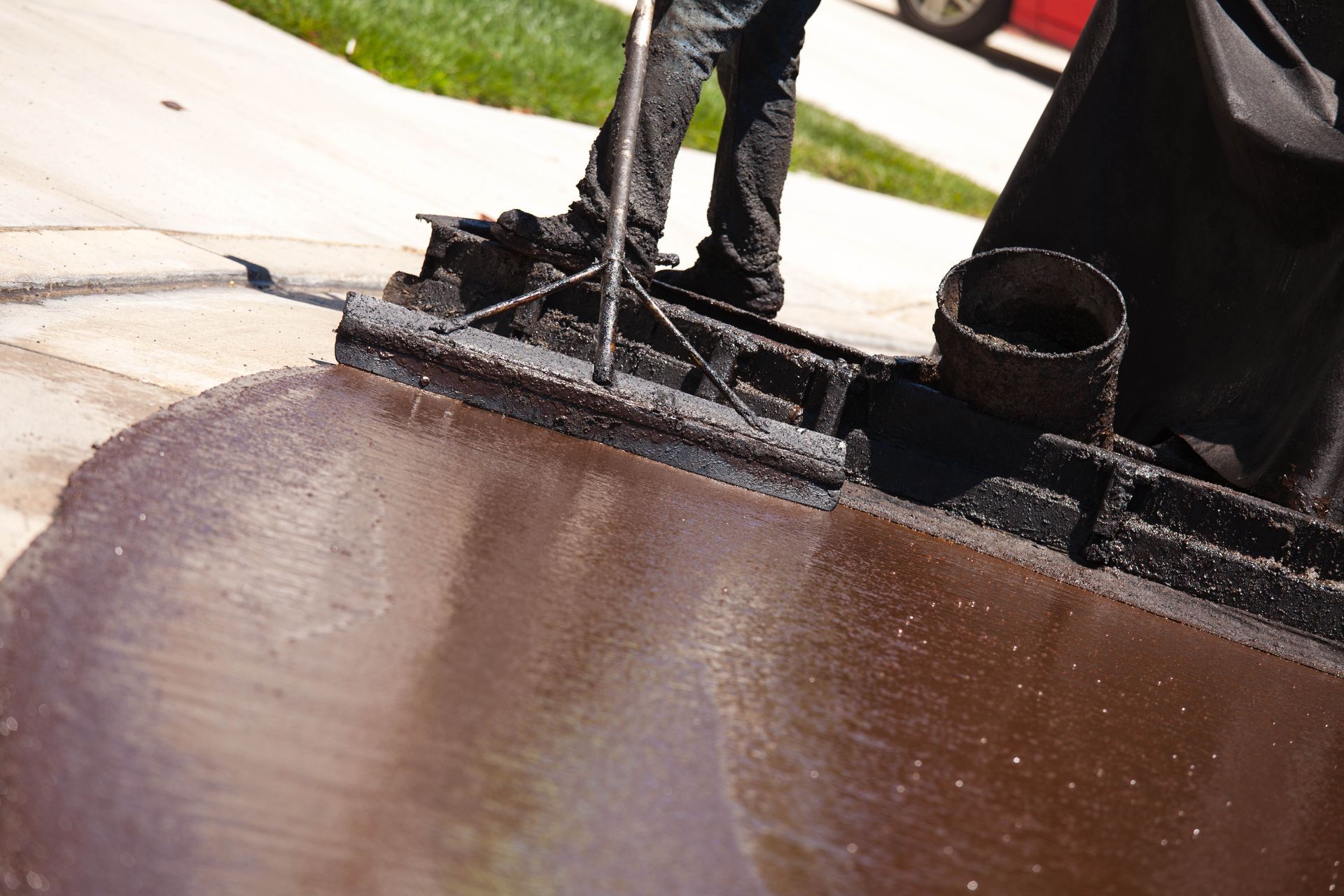
Sealcoating presents numerous benefits in the maintenance of asphalt surfaces. A proper sealcoating application extends the lifespan and appearance of the paved area. Including this aspect in your discussion with the paving company ensures a comprehensive upkeep strategy. The sealant protects against UV damage, chemical spills, and water penetration. A well-maintained surface retains its functionality and appearance longer, offering better value over time.
Considering Legal and Regulatory Requirements
Understanding local zoning laws is crucial before commencing any paving project. Each locale has distinct regulations that can impact the project's design and execution. Engaging with your local paving company helps ensure adherence to these laws. Compliance with zoning restrictions avoids potential legal issues and fines. This step mitigates risks and ensures smooth project progression within legal frameworks.
Reviewing necessary permits and licenses is a fundamental part of project planning. Obtaining these permissions may require a comprehensive understanding of local administrative processes. Collaborating with your paving contractor streamlines this task, as they are often familiar with local requirements. An informed approach ensures you meet all regulatory prerequisites before work commences. It's a vital step that keeps your project aligned with legal obligations.
Compliance with environmental regulations safeguards both the project and the surrounding ecosystem. Discuss strategies to minimize environmental impact with your paving company. This conversation can reveal ways to incorporate eco-friendly practices into the project. Adherence to environmental standards promotes sustainability and reflects positively on the project's stakeholders. Understanding liability and insurance implications further protects against unforeseen circumstances, ensuring a secure project development process.
Effective communication with your local asphalt paving company can significantly impact the success of your project. By discussing these key aspects, you can ensure a smoother process and a durable, high-quality outcome tailored to your needs. Don't hesitate to ask questions and seek clarity to make informed decisions throughout the project. Prioritize collaboration to avoid misunderstandings and foster a sense of shared purpose. If you're looking for a reliable
asphalt paving company, contact All-Star Asphalt & Sealcoating, Inc today.